Last updated: September 11, 2026 | Edited by Lawrance
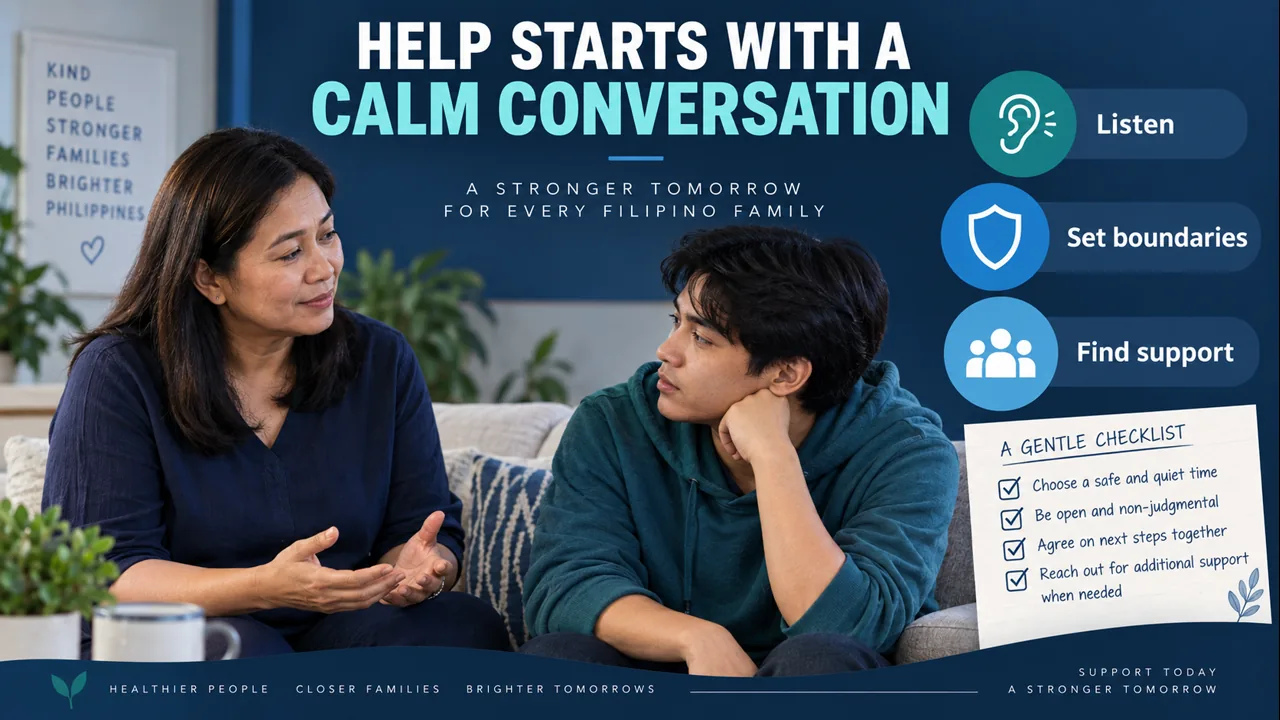
When someone says they want to stop gambling, the first helpful response is calm and practical. Listen without promising to fix everything, help them identify an official support option, and agree on boundaries that protect both people.
Start with the person, not the balance
Choose a private moment and ask what kind of help they want: listening, account changes, a break from payment access or help contacting an official programme. Avoid humiliation, threats or a public confrontation.
You can support a decision, but you cannot guarantee that another adult will change immediately. Keep their privacy in mind unless there is an immediate safety risk.
- Ask open questions.
- Listen for the next practical step.
- Do not take passwords or impersonate the person.
Make the next 24 hours easier
Together, remove saved payment shortcuts, turn off promotional notifications and pause casino access where the operator provides a responsible-gaming control. Keep the person’s own account recovery information private.
Use the official PAGCOR responsible gaming information to identify current options. If a page asks for money or an OTP to activate help, stop and verify the domain.
| Action | Boundary |
|---|---|
| Pause access | The person chooses the account setting |
| Protect money | No new deposit to chase a loss |
| Contact support | Use the official route and keep the reference |
| Check in | Agree on a time without constant surveillance |
Separate support from financial rescue
Paying a debt or taking over an account can hide the problem and put your own finances at risk. Agree on what you can and cannot do, and consider qualified financial or mental-health support when the situation is persistent.
If there is a pending transaction, keep the payment record separate from the support conversation. Our withdrawal timeline can help document a status without treating gambling as income.
- Set a clear money boundary.
- Do not share passwords or OTPs.
- Keep documents and records private.
If safety becomes urgent
If the person talks about self-harm, violence or an immediate threat, treat it as urgent and contact local emergency services or a qualified crisis professional. Do not leave someone in immediate danger while trying to solve an account issue.
Method and limits: this guide offers general first steps, not a diagnosis or a substitute for professional care. Official programme details can change; use current sources. Gambling is for adults aged 21 and over and is not a source of income.
Related reading: PAGCOR verification checklist, withdrawal timeline, and responsible gambling information.
Sources and method
- Official source 1 — checked September 11, 2026.
- Official source 2 — checked September 11, 2026.